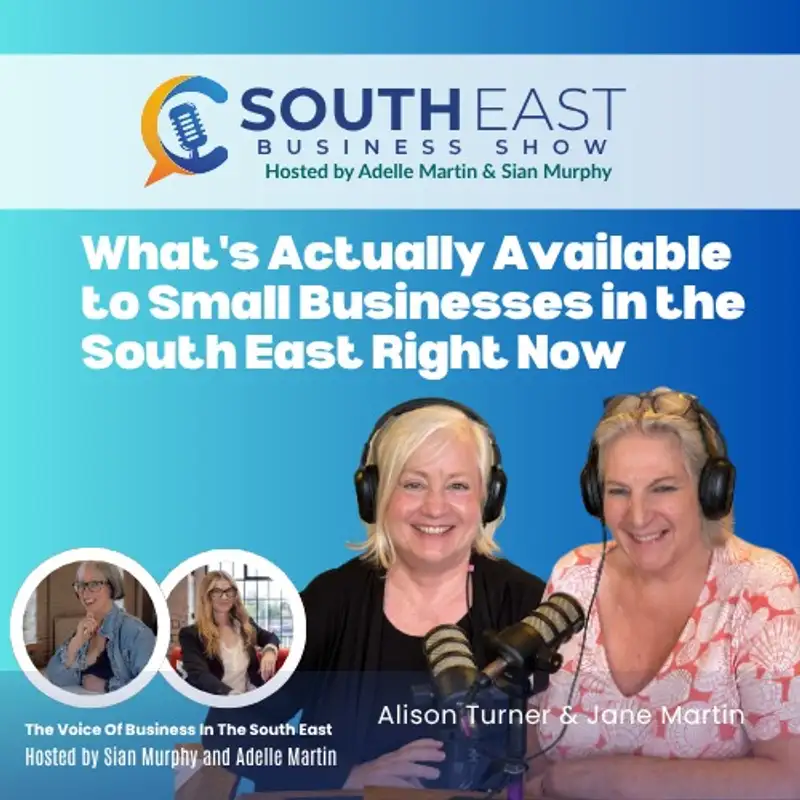
Hello, and welcome into the South East Business Radio Show. We are the voice of business in the South East, and we certainly have some people in the studio with us today who I think are just gonna demonstrate that perfectly. First of all, let me introduce my co host.
Adelle Martin:Adelle Martin Executive Resilience Coach.
Jane Martin:And
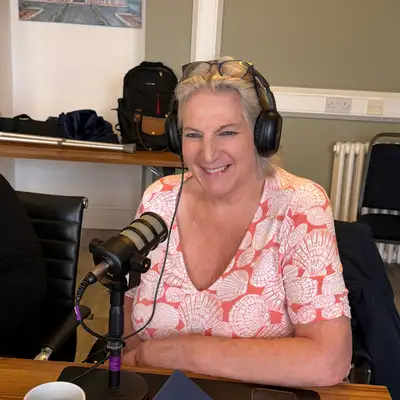
Sian Murphy:Who's gonna well, hopefully gonna be getting us through the show today with some resilience. As always. And thank you also to our sponsor for the show, who is the Executive Resilience Coach. And we have in the studio with us today, we have Jane Martin, who is the business connector at f e FSB. Welcome, Jane.
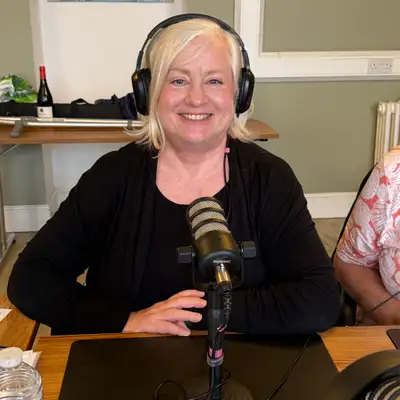
Sian Murphy:And we also have Alison Turner, who is the regional development manager in South East for the FSB. Good morning. So I think what we ought to do to start off with is let Jane and Alison share a little bit about because at the moment, we're just talking about you as the FSB. So exactly what does FSB stand for? But not just what do you stand for in what does FSB stand for, but what do you stand for as far as business is concerned?
Alison Turner:Yeah, thank you, Sian. And thank you for, you know, inviting us on and being part of your fabulous show and your audience. So FSB. FSB stands for the Federation of Small Businesses. We were formed just over fifty years ago, primarily as a campaigning organization.
Alison Turner:And since then, we have grown and evolved and are a we are a not for profit, non political membership organization. And we do two things really. Well, we do many things, but the our sort of two main focuses are we offer a membership package for small businesses, which help them to grow and thrive and develop. But we also campaign, so we are the voice, the ears on the ground, and the voice for small businesses representing their problems, challenges, views, and opportunities up to local and national government.
Sian Murphy:And also in the studio, we have Jane with us. Now you're the business connector for the FSB in the South East. So tell us a little bit about what your job looks like on a day to day sort of base. What what is your day Well,
Alison Turner:really does
Sian Murphy:your day look like?
Jane Martin:I'm glad that Alison explained that we're the Federation of Small Businesses because I was worried that viewers might think we're a Russian organization
Adelle Martin:and we're not. Really?
Jane Martin:It wouldn't go down in the current climate very well, would it? So on a day to day basis, it's about meeting small businesses. I typically speak to 25 to 40 businesses a week. The fantastic thing about the South East Of England is and particularly Kent, is we've got a huge number of small businesses. I think we've got something like 78,000 small businesses in Kent alone.
Jane Martin:So there's plenty to talk
Adelle Martin:to
Jane Martin:but it's meeting people on a daily basis. This morning I had a breakfast meeting before we came on the show to talk to two small businesses that just joined FSB, take them through the membership, find out what their challenges are and how we can help and support them. And I do that and sit down and talk to businesses to understand what they're looking for, what their challenges are, how we can help them. Because the membership is diverse and there may be just one or two key things that can support a small business and it's about picking those things out and then making sure that the business knows how to use those things to maximum benefit. So fantastic because I meet so many different kinds of businesses.
Jane Martin:And the wonderful thing about that is then you've got a whole book of people that you can introduce and refer to each other to help them grow.
Sian Murphy:So and I know we've got a busy day today, haven't we? Because Jane's also arrived with a bottle of Chateau Neufe for some of this evening's networking. So just in case you're thinking that what we do as small businesses, certainly in the South East, we spend all of our time looking really serious at each other. We just don't, do we? We have some good We have good fun as well.
Sian Murphy:So thank you so much for sort of setting out what what the the FSB and the Federation of Small Business does. Now, when you said you've got we've got 78,000 small businesses in the South East, what do I think it's it's quite useful sometimes to explain a little bit about what we mean or you mean by that because there are definitions that the government has of small businesses, aren't there? And very often, they're not what I consider to be a small business. You know, a bit like I think of the definition of a micro business is that you're turning over under £1,000,000. Right.
Sian Murphy:I don't actually I don't know any businesses who who think of themselves as a micro business or a small business that are actually see themselves in that. I'm just about to tip over because I'm turning over 999,000. I'm, You know, I'm turning over a quarter of 1,000,000 a year. I think most of the businesses that I meet, certainly the micro businesses, are not don't consider themselves to be there, and they're not. And probably never will be and don't have aspirations to be there.
Sian Murphy:So when you're talking about small businesses, what are the sorts of people that you're out meeting?
Jane Martin:You want to answer that, Alison?
Alison Turner:Yeah, I mean for as far as the FSB is concerned, small businesses are businesses that have up to two fifty employees. So, actually they can be quite large firms with large turnovers across all sectors, absolutely all sectors. The majority of the small businesses that we represent are sort of sole traders, self employed people, people that have maybe up to one to four or up to sort of say one to 25 employees, but absolutely up to two fifty employees as well. And that really just adds a lot of flavour to the people that we represent, but also when we bring people together in various networks and forums and learning opportunities and policy development work. And they share that experience as well.
Sian Murphy:And I think most of the people that we tend to get at, what we'll call them networking events, but get togethers, gatherings. They're very rarely, I think, the people, the CEO who has more than 250 employees. I think very often, they're sole traders. They're running very small businesses. They are dealing with those sorts of challenge, you know, the sorts of challenges that go with that on a daily basis.
Sian Murphy:And a lot of what they're looking for when there are meetings and the support that they're getting from the FSB and other, I'm gonna say business leaders or business organizations, is actually some sort of communication, some sort of meeting other people, sharing of ideas, getting together and not being, you know, getting out of sitting on their own in an office and having somebody that they can have a chat with.
Alison Turner:I think that's absolutely right and that's something that I'm very passionate about is that my role at a local level, albeit regional but local as well, is seeing and offering those, developing those opportunities for people to get together in a forum that suits them. And most typically, that's people that are looking to set up a business, people that are just starting a business. They don't necessarily want to go to big events. They want to get together with a smaller group of people and start to connect, share experiences, support each other. It's that local connection that is very, very important.
Alison Turner:And what we can do, what I can do with Jane, is we can identify areas where there are gaps where perhaps, you know, we can add some value by organising some workshops that cover particular areas that people are unsure of. So leading up to the budget time, for example, we can run some workshops and some events that talk about how could the budget affect businesses and how they manage their books and so forth. And I can, if I may, give you an example. There was a business a couple of years ago who I was just chatting to, very small business and it was involved in the print business. And it prints, the business prints labels that have sticky backs.
Alison Turner:But the sticky backs aren't recyclable and this frustrated the business owner and it cost them a lot of money, but I was able to that day speak to our policy team at Westminster and say, hey, is this a wider problem? And that very week, they were talking to a minister on the environmental policy that we were trying to develop with the government and it was included in part of a work stream that they are now pursuing. So that's the value of that local connection, that local link.
Sian Murphy:And and having that sort of larger organization to support you, I I think, and I'm gonna bring Adelle in here because I know that her corporate background lends directly to this. I think when you're sort of towards the top of an organization, you're the the CEO, you're the boss, you sort of find your connections, don't you? You you may have mentors, you have business advisers and and people. You may have a board. You may have a team of managers that are managing all of these 250 people as well.
Sian Murphy:So you have that sort of support. You have you have sounding boards almost built into your business. When you're starting out, you tend not to have those sounding boards. And when you're a sole trader, I think you're unless you're you're very different to most others, you don't have a route to go and talk to your MP, to go and talk to a minister, to to to talk directly to somebody in parliament. And I think that's where, you know, perhaps connecting with somebody like the FSB actually facilitates that.
Sian Murphy:They they they give you a space where you can meet other people, can meet your sounding boards, and you potentially do have that route.
Adelle Martin:Yeah, I absolutely agree with you. In my experience of corporate, you have that team at head office that faces into to government and you have that. But when you're on your own and you know there's a challenge or a problem that, as you know, all of you here, the challenge I've got with what as well as what my resilience work is the business owners with cancer is we we wouldn't have that voice to go and lobby. And for me, I think what the FSB do, I think sometimes it's everyone thinks of it all about network and membership. And I think the policy work that is done behind the scenes isn't as visible as it could be.
Adelle Martin:You're absolutely right. So that's a great example of where as a entrepreneur there could be one or two of you, you've got a challenge. Where do you even begin to take that to policy makers? But having the FSB, to me, it's like head office, which is that front communications head office team as I look, I've got a problem x y and z, and able to do that. And that brokerage into government is something that a small business doesn't have, but the collective does.
Adelle Martin:And I think that's a piece of work that the FSB do that I don't think gets to as you know, I'm a grassroots person working at that level and it's important that my role is to pass that back down to the circa 300 women that the work you do. And I think that's the gap that you have. And I think it works brilliantly, but I don't think we share enough of it back down to the grassroots.
Sian Murphy:Yeah. So a really valuable piece of work that the FSB are doing because I think if you're not careful you become sort of not in the doldrums but you're very much sort of, you know, sort of splashing around in the mud, aren't you, with just your own daily problems and not looking at the bigger picture or having access to anybody who can potentially, not immediately, but but but can potentially bring a solution to that. Adelle, I think you've got some details and information about potential funding for you
Adelle Martin:So that you're bringing out again, in terms of because we cover the South East. I've been doing some research and the counties that we cover in here, we've got Kent, we've got Surrey, East Sussex, and West Sussex. And each of them have their own growth hub, and we will link the websites, etcetera, into into the show notes. But when you go on to each of those hubs, you can see on there all of the training that is available. And again, that is free across the the counties.
Adelle Martin:And also on there, all the link up and events and also city. And what they all what also those hubs do, they don't just advertise their own event. You can so the ladies and latte are on there. So you can actually so if you are listening and you're based in those counties, you can contact that team and they will advertise your event for you, which is amazing. And there are also in their grants, match giving, and loans, etcetera.
Adelle Martin:But what I also like in those hubs, it covers small businesses. May maybe naught to seven where it could be a grant. And say for instance, the bit they're all focused on at the moment, which I find really interesting, is that growth. That you've hit
Alison Turner:the
Adelle Martin:ceiling with your business, but to get maybe to that next level of employing more people or getting another machine, you need a growth grant or growth loan. And they're doing some work with you there to help you write the business case. So again, it's all about growth. And and to be honest, as I went looking on each of those websites, I was quite surprised how clear and all the grants on there. So I advise everybody to go and have a look because obviously, it's it's time sensitive, but I would definitely sign up to the newsletters on those growth hubs and make sure that you get involved because it's a free resource that I think is totally underutilized.
Adelle Martin:But yet again, it's our role as grassroots to take it back to the the the networks that we're involved in.
Alison Turner:And I think that's thank you Adelle because the Growth Hubs are absolutely a fantastic resource and I think that links back to what we were saying. So FSB myself, I sit on the Growth Hub Boards along with other business representative organisations do as well. So, again, feedback from small businesses, South East Kent through to us, through to me and the team here will get fed back through to the growth hubs and they shape their plans and support on that feedback. There is another growth hub and it's in Brighton And Hove because Brighton And Hove is a little set, it's a little, it's a city.
Adelle Martin:Like Midway. Between Sussex and East Sussex.
Alison Turner:Brilliant. And I'm sure many people know but probably don't fully understand because it's just so difficult at the moment. But we're going through local government reorganization across the South East and in Sussex. They really are about to split. Kent is in that process.
Alison Turner:July 11 isn't Absolutely. Growth hubs for the next few years will receive some quite significant funding from the government, almost as a kick start for the new local government structures. So, this is a very good time and I absolutely endorse what you're saying. Look at those websites. The council officers that run them, the grants, absolutely fantastic.
Alison Turner:And they can also sign post some just some other very, very good business support as well.
Adelle Martin:I'll tell you a funny story. So Sue Birdo was on the previous episode. So again, we'll link back in the show notes. And she asked me to go to steering to share more about Stronger Together. Do you wanna stay for the whole meeting?
Adelle Martin:I was like, yeah. So I at the beginning, and then I was asking questions because obviously with the other hat I wear in grassroots networking, I'm like, why don't I know about this? Why don't I know about this? So I was asking loads and loads of questions. And at the end of it, Sian said, oh, Adelle, you've asked questions.
Adelle Martin:I thought I'm going to get banned. I normally get banned. And do you know what? She said, do you want to join the do you want to join the steering group? Because again, I was able.
Adelle Martin:So I said, yeah. Okay. I said, honestly, I thought you're gonna ban me because I kept asking questions. And, again, I've now met with their marketing team and what they're gonna do exactly because it's that they can disseminate it down, and it's having that feedback back. So yeah, I honestly thought I was going to get banned from steering, but they've asked me to join them.
Sian Murphy:You know, and I think that because a lot of the businesses that Adelle works with are very small businesses. They're sole traders. A lot of the businesses that exhibit at the Women in Business Big are sole traders. They're really micro, micro, micro businesses. And yet, for since we've been started doing the big show, which is not big because it has big businesses in it, it's big because it brings so many people together across the business ecosystem.
Sian Murphy:But the Kent and Midway Growth Hub have been there since the start. Yeah. And that is, I believe, an indication that they want to reach people who don't think they should be applying. Yes. Yeah.
Sian Murphy:And that really matters. Think so many people just exclude themselves from the in fact, I know they do. I don't think it at all. I know that people exclude themselves from, I'm gonna call it sort of official formal business support. Yeah.
Sian Murphy:Because they don't think they are a now it's I can't, oh I can do in converted commerce because they don't think that they're a proper business. And it's just not true, that's a perception. It's just not correct. You have to act professionally. You need to have systems.
Sian Murphy:You need to have budgets. You need to have processes. But that doesn't but but you can be very small and have those. You can have those on pieces of paper. You don't have to have them Yeah.
Sian Murphy:Being particularly fancy. And the growth hubs are really still set up to help you. And we don't have enough people accessing But
Adelle Martin:we do a lot of work, don't we, Sian, with the women in Allezolate? A good, great, great example like Brighton Home, we have Medway, is part of Kenton Medway. And Sian was in and we're sharing just
Sian Murphy:Sean, should say Sean Henry, who is the economic development manager from Medway Council.
Adelle Martin:And we can link back to a previous episode. And he was saying to the to my ladies and they're like, oh, shall I apply? Am I big enough? And Sian, I'm like, look, stop asking for permission. You are a you are a business.
Adelle Martin:You are viable, apply for the grants, and the ladies have, and we've got some wins coming through. But part of the work Sian and I do is reinforce to those women, you are a legitimate business. Okay. And that's really, for me, that's the most important thing of the grassroots work we do. And I think one
Alison Turner:of the, on the same subject, one of the interesting facts that's coming out of the recent debate, if you like, about young people and getting into employment is the high percentage of young people who have demonstrated an entrepreneurial flair before they actually leave school or they're going through college, but there isn't a means to capture and support that very particular mindset that wants to sort of strive towards setting up their own business, doing something creative, entrepreneurial. We're very keen and part of what Jane and I do in running as many networking events as we can in as many little corners of Kent as we can is to reach people to say how can we help you, how can we signpost you, how can we connect you with other people, with other young people, with other women, with other small businesses. And my greatest pleasure is setting up some of the networking opportunities and seeing new people walk through the door who may never have connected with other businesses and business owners before. And they start, they relax, they start to talk over a coffee, over a tea, maybe in Valerie's wine bar in Ashford over a glass of wine which has
Sian Murphy:become so popular. It's quite a lot of yapping. I think one of the things that you've tapped to on there is something that's really sort of very close to my my heart, and it could be, let's put this out there and let's see let's see who who maybe comes So my personal experience, both as a school governor who was brought in to to a girls' school to help and persuade, I suppose, teachers and the the general sort of process to recognize that actually business is a route. I Yes. Wasn't successful.
Sian Murphy:It was not kicked against. It was just nothing, actually. It was just nothing. And I had to leave when the I said the legislation, but the guidance changed, and it became really seriously onerous for people who were school governors. The amount of work, and I was getting called in on disciplinaries and all of that sort of thing with teachers, and it just it just wasn't feasible.
Sian Murphy:I hadn't signed up for that. But basically, there was no interest at all. But what matters to me is that I now please don't call me over the coals on these figures, but my understanding is that roughly thirty percent of people who are entrepreneurs who set up businesses have ADHD or they're autistic. That also, in many respects, not precludes you, but makes passing exams very difficult. You don't fit into the mainstream sort of study route that turns you into a star.
Sian Murphy:And that we are losing a lot of our talent. A lot of our talent is not passing exams, therefore, it's not moving on to university or whatever, you know, the society considers to be the route to go to have this fantastic And we need to be filtering these people out, going, actually, you think differently. You may not be able to pass your maths exam, but do you know why they very often can't pass their maths exam? Certainly, this was my experience a while ago, is they can't pass their maths exam because they can't do the maths. They can't pass their maths exam because they can't do the workings out in between because they don't have the time for all of that.
Sian Murphy:That's not how their brain works. So they would get perfect marks if it was all marked on getting the right answers. But that's not how they work, so failed. Fail that, don't move on. So, you know, let's see how we can encourage these children, people, young people coming up who have got that entrepreneurial, who have that creativity, who see, who disrupt things, who see and do things in different ways than everybody else but can't pass exams and bring them into the fold.
Sian Murphy:That's it, rant over.
Jane Martin:Can I add something to that? I just wanted to add to it that I think it's a perfect time now for that to happen because the rules have completely been turned upside down whether it's COVID or the world economy or things that are happening but the way that things used to work isn't quite the way things need to work going forward and we're seeing that the way things have always worked isn't working anymore. And there's plenty of examples of people who've gone into business who are mega successful, who never went to school, never went to college or left school, left college, left university. And I think that it's fantastic that children today are even as Alison said, have that entrepreneurial flair because when we were at school I remember, and I think I said this on one of your shows before and I shouldn't have said it, you know, I used to sell apples at school but I had gone to somebody's garden and nicked the apples off their apple pie.
Sian Murphy:Entrepreneurial. But
Adelle Martin:that
Jane Martin:entrepreneurial thinking was not quite what was supposed to be happening because what you were supposed to be doing was doing your
Sian Murphy:You're supposed to behave. You're supposed to do it in the right way that everybody else does it.
Jane Martin:The only way that you can be successful and we see it time and time again and COVID's been a perfect perfect example is people who are entrepreneurial think outside the box. Yep. So when it doesn't work according to a straight line, they're all over the place thinking of a different idea. So, you know, for any young people out there listening, keep going, do it and come and see us and have a chat with Adelle or Sian or Alison or myself because we're there to support and help.
Adelle Martin:And that's when for me, and you're absolutely right, Jane, I grew up as a seventies child, so I had to very learn very quickly to blend in and don't make a fuss. So I actually learned to navigate the corporate world because I still had to put food on the table, but there was you know, for me, my parents set up their own business in the seventies just because of the strikes, but I saw how hard it was. And it was my mom and dad like, you gotta go and get a proper job Because that's that's what it was then, but you're absolutely right. And I had to blend in all the way to the point where I got to 49 and realized I'm going into my fiftieth year. I don't wanna do that anymore.
Adelle Martin:But for me, I can see those, the the schools. So for me, what I'm looking at now is how do we go into the schools with the careers fair and having that option. And then from there, how do we get people like the Prince's Trust, the Kent Foundation to give these young people grants only because my video person, Nikita Dean Hart, she is part of Launch It, which is in the Eilish Epi where I got into doing some talks with those young entrepreneurs. So we know there's a group of young adults that want to be an entrepreneur. The question is what grants, funding and non profits and charities are there like Launch It that can then take them through and then people have involved.
Adelle Martin:And for me, think that piece of work needs to be done so we can pull them out so they don't just flounder. And then they get, you know, for all the different right reasons, they then get targeted to disruptive when actually the disruptive comes from an E. But there are organisations there but I think we need to join that up a bit more.
Jane Martin:So it also starts, so going to your Ladies Who Latte, there's some ladies there who brought their kids along during the store holidays. I did. And there's some amazing businesses in there. There's a young girl, how old I'm not quite sure how old she is.
Sian Murphy:Francoise's daughter who's making and selling dog biscuits.
Jane Martin:For anybody who's listening, her goal is, this is amazing because her parents are helping her, mom's helping her to set the goals and to start thinking in the right way. She wants to buy a horse or a pony. It's not mum can you find me the money? It's like what can you do? How can you earn that money?
Jane Martin:So what she's done is created a line of dog treats which my dog queues up for And it's amazing. Yeah. And so she's
Sian Murphy:I've heard that some people eat them as well. I think what I'd like to do here, you know, is the South East Business Show. So if you're out there and you're thinking, you may have had a diagnosis of ADHD or ADHD with autism, You may be running your own business and you may be thinking, am I the only one here? You know, I haven't got exams. You may be downhearted, you may be lacking in confidence.
Sian Murphy:I'm telling you now, there are things that you can do that nobody else can do. Mhmm. And sometimes you need to be around people who will help you see that, who will who will applaud you for your brilliance and really don't care that there is stuff that you can't do. If you are running a business and you're struggling a little bit, perhaps you're having problems with with finishing your systems and processes, with getting some stuff done, with maybe going out to all of this networking and you're feeling a little bit tired and worn out by it. Actually, once again, it's about knowing that you're not alone.
Sian Murphy:And but it's also, I think, about finding the the the right networking to go to. I know we've spoken about Lady Silate a lot, but that that is for ladies. So with the FSB, I know that we have some really, really friendly networking events. And I think it's so difficult to find friendly networking events. By those, I mean cliquey.
Sian Murphy:I've been to networking events where I've walked in through the door, and I'm sort of now quite confident at a networking event. But I've walked in through the door, and not a single they're all in their little huddles, nat, nat, nat, nat, nat, natter. Not a single person. There isn't anybody there on the door who's welcoming anything or anybody, and you're there. They're all in a little huddle.
Sian Murphy:They all know each other. They turn around. They have a look at you, and then they just carry on nattering. Whereas, there are other networking events that you go along to, and you're brought into the fold. You're introduced to people.
Sian Murphy:You are you're not trying to break your way into a little huddle of of people who've clearly known each other for years. So I think, you know, and that for me is one of the things that the FS I I know I sound like an FSB fan club here today, but that is one of the things that I find that the FSB do. That that they're free, the the most of the networking events are free, that you can go along, that you'll be welcomed in, Not just by people that are there, but by there are people on the door Hosts. Whose job it is Yeah. Hosts to make you, to integrate you in.
Jane Martin:Look, can I can I come in there? Do you mind, Alison? Yeah. Please. Just say what our job is as the Federation of Small Businesses is as Alison said at the beginning is to help a business grow, to protect a business and to signpost you to growth opportunities, grants, funding and so on.
Jane Martin:The best way to do that if we've got a network of a half a million, a community of a half a million small businesses is to actually understand that you might be daunted when you first walk in the door to make it easy for you and say, Hey, Adelle's here. Let me introduce you to Adelle or Have you got yourself a drink or Have a piece of pizza? Just to make you feel that it's a normal that you feel like you're at home really so that you feel comfortable that you can
Sian Murphy:I don't really want to feel like I'm at home? There's a pile of laundry.
Adelle Martin:No, okay, okay, okay. But do
Jane Martin:you know what I'm trying to say? I mean that's our role. Our role is to I think when I do my talk at your show and thank you for always asking me to do the talk on networking, the first question I always ask is who likes networking? And quite often nobody puts their hand up because they're also nervous about it. But I mean, you know, what we need to do is to take that fear away and make it something fun and interesting and something where people go, Oh, this isn't so bad.
Jane Martin:Because I think there's still this stigma of you have to dress up, you have to look smart, you have to go in a suit, you have to have a sixty second pitch ready. None of that matters. It's actually
Sian Murphy:You're right. Can quite scary and especially when you're starting up in business. What tends to happen I found is that you Google, you go on to Google, or now you're probably going to chat GPT and go, where's some business networking or business groups or meet ups, if you don't know what networking is yet, business meet ups in my area. And what you end up with are very often the ones that that charge a lot of money for membership because they're the ones who can pay a lot for advertising or they have good social media managers and that sort of thing. And so you end up at that sort of that's what happened to me, and I know it's still happening.
Sian Murphy:You end up at that sort of of of networking event where you're looking at a thousand pounds membership, and you've got obligations to turn up and do referrals, and all of that sort of thing. Think, oh my goodness, this is not what I pictured at all for being in business. I think it's important to understand that there are other, there really are other spaces out there. It's just that they're not as obvious sometimes.
Alison Turner:I would absolutely recommend people keep an eye on FSB's website. It's fsb.org.uk forward slash or backslash whichever way the slash goes, events and then you can see what's on locally. And just reinforcing what you're saying, Sian, is when we set up networking events in different areas across the region, areas are very different. What works in Brighton, Hove, and Eastbourne, and Ashford, and Dover, and Bognor, It's all very different whether it's a high street, could be a sort of a retail area, very, very different and small businesses need slightly different things. What we do look for is hosting an event in the premises of a member preferably so that it raises that member's profile where we can offer the event for free, we do.
Alison Turner:Members and non members are welcome. If we do make a charge, it's purely to reimburse the host for the refreshments. But what we can and we always try and arrange it at a time that the businesses in the area, it suits them the best, whether it's coffee in the morning or after work.
Sian Murphy:Yeah. So the two that I go to run from 05:30 until 07:30. That's right. Which is a really good time actually, isn't it? It it doesn't disrupt the working day, but very often you're on your way home from work or to the wine bar, so it all fits in quite nicely.
Sian Murphy:You just said something which I'd, if possible, you can expand on. Don't worry if you can't.
Alison Turner:No question.
Sian Murphy:But if you can, it'd be really good. You spoke about what works in different areas. Yes. So can you maybe just looking at the South East, are there different things that work in different places of the South East?
Alison Turner:Yes. So I suppose going from one extreme, Brighton And Hove, the networking events that we run-in Brighton And Hove. Lots of independent shops in the old lanes, very creative
Sian Murphy:Oh, and yes, yes,
Alison Turner:Creative people. So one evening, for example, just before Christmas, there's a small part of the lanes where all the little shops who happen to be most of the FSB members, all are sort of situated around a tiny courtyard. So we started the networking in a little Greek cafe and then we just did a little tour of the member shops. And at each shop, the business owner, retail owner, shop owner talked about his journey into becoming a small business owner and and and everybody got to visit the shops.
Sian Murphy:So I'm assuming this is open to everybody. The fact that it's in an enclave of shops and they're sort of sharing, hosting, the event's open to anybody who wants to go from any area. Absolutely. So I could go trotting off down there. Oh, quite like the sport.
Sian Murphy:And I've just seen
Alison Turner:that over the last four or five years I've been with the FSB. I've seen more businesses move across borders because people don't
Sian Murphy:stop shopping. No. You don't screech to a halt, do you, as you leave Medway and go into Gravesend? Sorry. You want to buy a website and you're in Gravesend.
Sian Murphy:I'm terribly sorry. That's that's three miles away. Mind you, having said that, that could be the situation for some of the franchises.
Alison Turner:Yeah.
Sian Murphy:There are some franchises that can only work in very specific areas and they really are very specific, aren't Yeah.
Alison Turner:Yeah. That's that's right. But Eastbourne for example, we run a networking event from ten until twelve in local pub, a beautiful pub, but before they open. And it's packed. And it's it's just captured the imagination of the business owners in that area.
Alison Turner:The that some of the ladies drop their kids off to school, people that are working from home and they want to come in that timing and that out of city location with a car park, all of that contributes to it being a perfect regular event. And that's a group of small business owners who I've seen grow and develop because they first walked through that door thinking why did we come?
Adelle Martin:You
Alison Turner:know, we've got this awful sort of perception about networking and they were like rabbits caught in headlights and it's like, come on in, grab a coffee. And now they're there every single time and they bring people along and they're building their own support network.
Sian Murphy:Tell you what, I might start going to some of those because one of the things you're mentioning that now, and I'm thinking one of the things of all the traps that I've fallen into is sort of going Gravesend, Medway, Dartford, Ashford. Obviously, there's wine bar networking. Of course, I'd be there, wouldn't I? But actually, sort of going a lot further afield. So Eastbourne probably from here is what, about an hour and a half, two hours?
Sian Murphy:Yeah. And, you know, exploring out into new areas, slightly different cultures as well. You were talking about Brighton and the lanes. I'm not sure what came first, chicken or egg. But it could be that we have the lanes in Brighton with the creative businesses because it's a it's a creative space.
Sian Murphy:Some and and so the creative businesses are built up around a creative space. So you're going along and you're meeting different people. Do know, I might do that. This guy out to Brighton, we'll have a day trip to Brighton. And
Adelle Martin:they're all on the website so people can then go onto the website and find the right, yeah, all the network events are on there.
Sian Murphy:And there's some online ones as well, aren't they?
Alison Turner:Yeah, the online ones are also fantastic because people they do they connect very well actually online. It's for people that don't have enough time. The thing that we recognise is that people that are running their own business are so busy they're absolutely rammed. They've got lives outside of work and then they're working. It's not easy to take time out to do the travelling to get somewhere, but the online networking is great.
Alison Turner:But also there's a lot of online learning, but there's also specialist groups.
Adelle Martin:There's themes. I've seen some themes
Jane Martin:in the online learning.
Adelle Martin:Yeah, the networking there was one about yeah. That's what I love about. There are I think yesterday there was the women in business one, and then you get the themed one on on welfare IT or law or GDPR, but there's networking around the topic which I really like as well.
Alison Turner:I think that's yeah.
Jane Martin:And and also there's specific groups. So for example, following the conversation not necessarily to put a label but we have disabled entrepreneurs networking and some of the people who go to that who are in my membership are really grateful because it does two things. Number one, it gets them around the table with other people who are having
Sian Murphy:The same challenges. It's the same challenges isn't it?
Jane Martin:And also it's a forum where they can also talk about how they make business and their business and their staff more aware of people with disability and how to manage that in the workplace. So they're really great events.
Adelle Martin:Yeah I've seen that one though. Yeah.
Sian Murphy:So get yourself online. Now what I did, think I took us off as a little bit of a tangent before the conversation about the different types of networking in different areas might have ended. So is is there anything else that's going on in other areas that you think actually that is a little bit different to something else that goes on? And once again, no is okay. We can just we'll just move on.
Alison Turner:I think no. I mean, I'm not gonna say no because there are and I'm really well yes and no. I know that in Surrey they're running again, it's a women networked group and that's very much focused that's run by my colleague but it very much focuses on ladies in business who are perhaps struggling and need some additional health and well-being support. So that's very popular. Chichester, again, is just another opportunity in the ten to twelve slot for just to get together and we will always have a speaker on a particular topic.
Alison Turner:And I come back to Valerie's in Ashford. That is different because we don't usually do them in a wine bar of an evening, but my goodness me, we need to probably slot in some more dates because it's sort of standing But room it's a fantastic, fantastic event. Again, you know
Sian Murphy:If we've mentioned it now and I can't get in, okay, I'm you telling you now, if I rock up and I can't get in through that door, I am not gonna be happy.
Adelle Martin:Sian, your seat has a name on it.
Sian Murphy:It's it's corner. It's a corner. It's corner. It's next to James. Right.
Sian Murphy:Enough said. Moving swiftly on. Yeah.
Adelle Martin:But what I'll say, the events we've covered here, what I love about this, no matter where you are in your journey, what you need, you may there's an option for you. Absolutely. And that for me is unusual that you're not pigeonholed into a certain type of networking event. The way you guys have brought all the different events in the different format, the different times, there's something for everybody.
Sian Murphy:And I think we need to have a day trip to Eastbourne. Certainly out to Brighton. That's a really good idea isn't it?
Alison Turner:It's a fantastic idea but of course the thing to say is that we listen to our members. So Sian, we spoke about how could we, you know, sort of get more people along to the event that we have this evening. So we're working together to promote that event. If there are small business owners out there or venue owners that think, hang on, we've ideally placed a host of event, let
Sian Murphy:me know. Yeah, so when Just to say, think the other thing is we've spoken about sort of wine bars and pubs and that sort of thing and shops and cafes. But actually, you don't have to be a traditional venue. It doesn't so we're not a venue here. We don't we we don't we're not open to the public.
Sian Murphy:You can't come in and buy a drink. We we may have teas and coffees available, but, you know, we're in a boardroom.
Alison Turner:We have other members. We have other areas. They do walking, networking opportunities out in the open space. We've done sounds like a
Sian Murphy:But you mean like walking and talking?
Alison Turner:Walking and talking. Not my favourite, but it works for some people. We've done member visits, so Brighton Gin Distillery. Yes, any venue is possible.
Jane Martin:We've also done hairdressing salons. We've had a networking event in a hairdressing salon. We did manage to slip in some mulled wine so we did keep the theme going. Mulled. It was just before Christmas but we've also, I mean I'm trying to convince Alison we have a fantastic member who runs a helicopter training centre and it would be fantastic to be there and be up in a helicopter.
Adelle Martin:Yeah, I'm in. No. I'm in. No.
Sian Murphy:I'll be welcoming you as you land.
Jane Martin:It's just interesting to see the diversity of different kinds of businesses and if somebody's welcome to host and we've got the right to do their business, the right parking and all of that, then it would be great.
Sian Murphy:Right then. Let's talk a little bit more about the South East. So, what challenges do you think business owners are facing in the South East? Well,
Alison Turner:I think that business owners in the South East aren't a whole lot different from business owners across the whole of The UK and the challenges at the moment for small businesses are enormous from changes in employment legislation which makes it harder to and more expensive to recruit people from the cost of fuel at the moment, energy. Business is just drying up. I mean confidence, according to our small business index, confidence has increased slightly which is really positive but it's not, we can't cover up the fact or gloss over that it's a very, very hard time for businesses at the moment and they're facing a lot of challenges. There are some wins that we've had at FSB. There's changes to late payments legislation and that has cost a lot of, I think it's statistically around 18 businesses close a week because of late payments, it's costing the economy billions.
Alison Turner:So there are changes, so it's going be easier for small business to chase debts, keep their cash flow going. But the economy is in a as we know, is in a very, very difficult state at the moment and there's a lot of unrest across the world and it's not a good environment for small businesses to operate.
Sian Murphy:And that said, I think, you know, with other businesses, connecting with other people and looking at the ways that you can shift Because it's not all it's not all doom and gloom. I think one of the advantages that we have as people who are in control of our business rather than people who are employed is that we have it within our control to take action, to actually sit down and think. I I think that the hard thing sometimes is stepping out of, let's say, panic, stepping out of the doing and going, okay, where is where is this heading? So, you know, I I think that's potentially something that the FSB and other connection groups can help us with by putting us in a room with other people to explore what else is possible here. Yes, of course, fuel is going up and we have other, you know, other other issues with national insurance and and paying people.
Sian Murphy:But I think there are different ways that you can shift and grow and keep yourself going.
Alison Turner:I think small businesses have proved during the pandemic that they are resilient and they're very adaptable to change and they're doing so in Kent. Kent is unique and it's the gateway to Europe That in itself brings challenges with some of the legislation but nevertheless we're working through them, small businesses are working through them. And with all of the support and the organisations behind small businesses in South East UK, particularly government local growth hub levels. There's a lot of discussion and a lot of plans about how do we all locally support businesses and businesses will adapt. There is support.
Alison Turner:Yeah, times are very, very difficult, but people come together and then we'll find a way through.
Sian Murphy:And I think some of the things that Adelle was talking about earlier where, you know, there were growth hubs, there were local councils, you know, there were there are economic development departments and offices, is to get yourself out there. Before things reach crunch point, to actually get yourself out there, talk to people, find out what's going on, find out how you can connect with other people, how you can connect with resources, what funding's available, how can you change, how can you shift, what can you bring in? Because I also know that there are some businesses who thrive, in fact they wait for an economic, per se, disaster because that's when they can adapt and step in. And actually that's when they grow.
Adelle Martin:Definitely. And the thing I was going to pick up was again in terms of FSB, I know from my grassroots is cash flow and late payments. And again, I think the businesses I'm involved in didn't realize the policy you guys and how hard you worked. I had the privilege of being at the HSB and FSB small growth Awards at the Savoy, and that was a win. And everyone clapped from that point of view.
Adelle Martin:And we had Sarah Davis then giving us tips in this, and she talked about all that. And she said two things that we've discussed here is be whatever happens, be tenacious with everything you're doing and know your numbers. Because, again, I know that in the short six years that I've been in business before is, you know, my margins are okay, my cash flow is okay. And you can sort of maybe have a look on a Friday, but I say to all of my business owners now, I think it's never been more important to be on your numbers and your margins because of all of our suppliers. The the gap or the fat we had over the last six, seven years is completely gone And we were sharing that, you know, you guys can help us with late payments by saying, no, I don't like numbers.
Adelle Martin:I don't like this. I say, honestly, it's not choice anymore. But the most important thing is with the greyhuff and press b, there are people to help you face into your numbers.
Alison Turner:Oh, I mean, just picking up on that. Seriously, I Jane is awesome. Sorry, Jane. I'm embarrassing you here.
Sian Murphy:No. Yes. No. But,
Alison Turner:you know, I I we work very closely together when we go out and meet small businesses. Jane's knowledge of the supports available for small business is second to none. And I've seen Jane talk to businesses and they've talked about their current challenges today. And some of them are heartbreaking, I can almost walk out in tears, but by the time James talked to them about where they can go for help, have they thought about this, are they doing their numbers as you said And they're so busy running their business, they haven't thought of these things and Jane's sort of working with them to make sure they're connected to the right people and they're also importantly connected to and aware of the support that the FSB provides. They're not on their own.
Alison Turner:It's a very lonely place when your business is struggling and you're trying to pay a bill.
Sian Murphy:And I think sometimes you can sort of get that sort of tunnel vision of doing and doing more and doing more and doing more. And it can be really difficult and scary to stop doing stuff and sit down and look at the reality. But the reality is the reality. Whether you face it or not, it's the same.
Alison Turner:So come and talk to us. Let us help. And it could make the difference between your business surviving and not but also you're not going to be in such a lonely place.
Jane Martin:Yeah. I can add to that. Thank you Alison for that. I think the most important thing to say here is yes, we've got the FSB, we've got the growth hubs and we've talked about that and they are a must. But what you said earlier on Sian, when you're in a small business you think it's just yourself on your own.
Jane Martin:You should come and talk to us and join the FSB because you are then in a community and it's not just about the FSB, it's about all those other small businesses that are going through the same thing as you and you will find that people are very helpful, supportive because they've been there or they're there going through it at the same time as you. You'll make friends but not only that, you'll get expertise and what it will usually be sitting down having a cup of coffee just having a chat with somebody. It's an incredible network and that is so so important particularly right now when times are tough.
Sian Murphy:And I I think also knowing I think it can become really isolating, not just on a personal level, but things are not going a 100%. Things could be going disastrously, but you think it's just me. Everybody else is having a lovely time. They're all out there because because we we look on Instagram and Facebook. Everybody's having a marvelous time.
Jane Martin:Things are
Sian Murphy:all They an, set you know, they set up an underwear business on Sunday. And Monday morning, there we go, it's it's thriving. What we don't see is the struggles that went on beforehand and how long they spent being employed learning the business before they launched it. And it just looks like everybody's having a wonderful time, everybody's thriving apart from you. Yeah.
Sian Murphy:And I think that's another thing that I mean, I'm not saying we we don't all go into a networking meeting and go, oh my god, it's awful. Now a lot of terrible things happen. But you do start talking to people, friendships develop, collaborations develop. You start you start chatting, and then you realize, oh, hang on a minute. It's not just me.
Sian Murphy:I I'm not the only one struggling with cash flow here. Somebody else is struggling as well. I'm not the only one who had an event that nobody came along to. Because we've everybody's had that. Everybody's had it.
Adelle Martin:Yeah, definitely. But you don't tend
Sian Murphy:to go onto Instagram and do an announcement. It's another classic failure.
Jane Martin:You've got to start somewhere. I've had my hospitality consulting business since 2001 and when you do an event with somebody and they say, we've sent out 50,000 flyers or we've done marketing on social media and we've got like five people. I say, right, do it again next week. Do it again next week. Do it the week after.
Jane Martin:Do it the week after. And in six, seven, eight weeks suddenly you don't have five, you have 30 or 40 or 50. It builds. You just I think we put so much pressure on ourselves and it is, Oh, I've only had five people here. I mean, you're a perfect example Sian.
Jane Martin:You just keep going, you've done your events
Sian Murphy:That could be done.
Jane Martin:In the shop. No, one event, you just build on the events and it's the same thing. You've just got to be consistent with it. And that's why, sorry I come back to it, everything that we're talking about is so important. But I think people underestimate the power of being in a community of other people who
Sian Murphy:can You're help right. You're absolutely right.
Adelle Martin:Absolutely. Because again from just myself and also Stronger together. Yeah. It is. And for me, I talk to my family, I talk to some friends, but they're not business owners.
Adelle Martin:So as much as I my mom's my biggest fan, as you all know. And she goes, yeah. Yeah. And she goes, but I get it, Adelle, but I'm I'm not that business owner. So for me, I've got lots of women in business that their friends work in corporate, so they don't always understand.
Adelle Martin:So when you do go to networking events and you talk and we, Sian and I, you and I talk, we get it. I've got amazing friends, but they're not business owners, and they don't get it.
Sian Murphy:And peep they don't. People don't get that first time out when you set up your own business and the end of the month, payday arrives and there isn't a paycheck. That money doesn't drop into the bank account. You have to experience that. There is you you cannot say that to somebody who is still employed, and they won't get it.
Sian Murphy:They just won't get it. And that's why, you know, and I think that's another thing is when you're looking at who you are getting to, who you are going to learn from, and who you are learning finding as your mentor. You know, if you're if you are looking for some social media training, a lot of the social media training is delivered by people who work for businesses. When a business is, if you like, trolled on their social media platforms, that is not the same as it coming directly at you. Mhmm.
Sian Murphy:And so get your training, my view, from somebody who knows what that feels like. Mhmm. Get your business finance advice from somebody who knows what it feels like to not have money Yeah. Drop in when they expected. You know, it took me two years before I loosened that expectation of payment, before I before it went.
Sian Murphy:Mhmm. You know? And up until then, was like, oh, payday's oh, no. There isn't a payday, is there? No.
Sian Murphy:No. So just get out there and meet people. The FSB is one way to do it. There's loads of other ways to do it as well. Just go out and try it.
Sian Murphy:And if it's not a group for you, it's okay to leave. Yeah, do If stood in the middle of this group like Billy Nomai, it's okay to say, not for me guys, thanks so much. No thanks. Absolutely. Let's look at some of the opportunities that business owners have in the South East.
Sian Murphy:What have we got in the South East that makes us that means it's a good place to do business?
Jane Martin:I think we are one of the most diverse and also in I don't know what the right word is we have the largest amount of small businesses.
Sian Murphy:We do,
Jane Martin:It's huge and so there's an entrepreneurial buzz.
Sian Murphy:Yeah, there is.
Jane Martin:And I think that's also why growth hubs and a lot of the support is really there also from the local councils through economic development because it's there, it's all over the place and it's quite phenomenal. There's every kind of business you can imagine. You know construction is one of the biggest industries in the South East, also manufacturing and retail. But obviously we've also got, I'm amazed at how many consultants we have, how
Sian Murphy:many lives
Jane Martin:coach and creatives. And I mean if you just go to Brighton, I no longer look after the Brighton area. We've got some amazing people looking after Brighton area at the moment but when I was looking after it briefly, it was all creatives. Was all it was just amazing. So I think that's one of the really big opportunities.
Jane Martin:We are close to Europe. We're very close to Europe And I think all of the Brexit challenges calmed down. If people want to do business, they're doing business, they're finding ways to do it. And we come back to, if there's a barrier, somebody who's serious about business finds a way around it or over it or under it or whatever. We can deliver tunnels, we can fly over, can to build bridges.
Sian Murphy:I think very connected actually. I think you can it's a bit like the sort of six degrees of separation. I think you can go out and talk to somebody and say, do you know, I need so and so and so and so. And it will go, oh, hang on. Yeah, hang on.
Sian Murphy:I know a bloke. Hang on. And they'll talk to and okay, it's not that bloke and oh hang on, I know a woman who does that. And and you I think we're all but we know who's around and we know who's connected.
Jane Martin:We're also very close to London. Yes. Yep. Which is very good.
Adelle Martin:Anchial Paul, Amity, Ganwick, Heathrow.
Jane Martin:And we now have slowly although our road network leaves something else to be desired but we have very good high speed trains which take us very quickly to So that's a very positive thing as well and then obviously connects you to the rest of The UK.
Sian Murphy:We have I think we have a tourist industry as well I think now that Visit Kent sort to
Adelle Martin:of online And invest with Kent as well.
Sian Murphy:Yes. So I think we've got a lot out going for us, but we do have to tap into it. I think we have to get out there and make sure that we find out what's going on. Have you got any special questions that you want to ask? Because I think we need to bring the show to a close.
Adelle Martin:Yes. I've got one because Just one? Yeah. My favorite. Leadership, obviously which I've coached for many, many years.
Adelle Martin:So what leadership qualities do you think matter most for business owners today? To both of you.
Alison Turner:So leadership qualities. I think leaders of a business have to have a vision for their business. Yep. They need to know what aiming towards and and have a vision. Think they have to be very, very passionate and enthusiastic about achieving that so that they can take the team with them.
Alison Turner:Yeah. And then I think they need to just demonstrate some resilience.
Jane Martin:Yeah.
Alison Turner:Which I know is where you step in and out, but that is so important because if your leader is not resilient, then I think everything's gonna feel very shaky. But being absolutely focused on what they want to achieve, being flexible and adaptable as the road changes. Yeah. And I'm a great team player. Yeah.
Alison Turner:I love taking on board and working with some diverse people because I think so many diverse people have a very strong hold. Absolutely.
Adelle Martin:I like that. Good. Thank you. I like those.
Jane Martin:I think leading from the front no matter what.
Sian Murphy:Yeah.
Jane Martin:Sometimes you need to lead from the front even though you're not sure where it's gonna lead. You need to remember your it's leadership and you need to take your team with you so it's leading and being convincing and that's always been my mantra.
Adelle Martin:Yeah and follow ship and no absolutely you lead from the front and then my team go right Adelle we know we go can you get out of the way and go find us another route because you're sort of in the way now and I'm like you're okay. But, yeah, brilliant. Is. I love that. Yeah.
Adelle Martin:It does. And that for me is then I become a follower before I go and find something else. But no. And again again, reflecting back to the event I was at, that's what, again, Sarah Davidson said in a in a speech is having that vision, but be so passionate no matter what what the business world throws at you even more that you do get up on on most days, which I was like nodding like, yeah. Absolutely.
Alison Turner:Passionate people stand out. Yeah. Yes.
Adelle Martin:And for me, is that communication to your team as well as well. And not just your team, again, in terms of my corporate world in leadership. But the the different for me, the leadership edge for me is yes, there's my businesses, there's my team, but it's also as though my network is my net worth. I choose them wisely, but once you're locked in, is then communicate and share with them as well. And I think that for me is the if someone said to me, what's the difference between leadership in my corporate career to this business?
Adelle Martin:I may not have as many people, but I've got many more indirect people that I now consider as part of my team. Because if you lose communication with them, then you're lost. And I think that's what Sarah was sharing as well. So, yep, I love that. We've got some good good material.
Adelle Martin:Thank you.
Sian Murphy:Right then. Let's round this off. I think it's time to draw it to a close. So I think we'll finish off by what's your top tip for being in business? Not sure, Alison.
Sian Murphy:Oh.
Alison Turner:Enjoy it. Enjoy the ride.
Sian Murphy:Yes. Jane, your top tip for being in business. Don't think about it. Do it. I like that.
Sian Murphy:Are you gonna have one to do, or shall we?
Adelle Martin:Know your numbers.
Sian Murphy:I'll tell you what, she's not wrong. Know your numbers. So thank you to my cohost, Martin. Thank you to the Executive Resilience Coach for sponsoring. Thank you so much to Jane Martin, who's the Business Connector at the FSB, not just for being on the show with us today, but also to making business good fun.
Sian Murphy:Yeah. We have we have good fun. So anyway, and thank you for Alison Turner, he's the Regional Development Manager for the FSB. I don't know, just organizing all of this stuff, just pulling it together. So calmly.
Sian Murphy:Putting up with all of us. Thank you so much for listening to the South East Business Show. We are we hope to be, if we're not already, the voice of business in the South East, and we will see you all very, very shortly. Have a good month, everybody.